Form Follows Meaning.
Architecture with an origin
SCA develops architecture, special structures, objects and concepts from cultural reference, technical logic and the brief.
The work
The work

/
About
01
We do not start with form.
We arrive at it.
We do not start with form.
We arrive at it.
SCA is a London based architecture practice founded in 2015 by Steven Chilton.
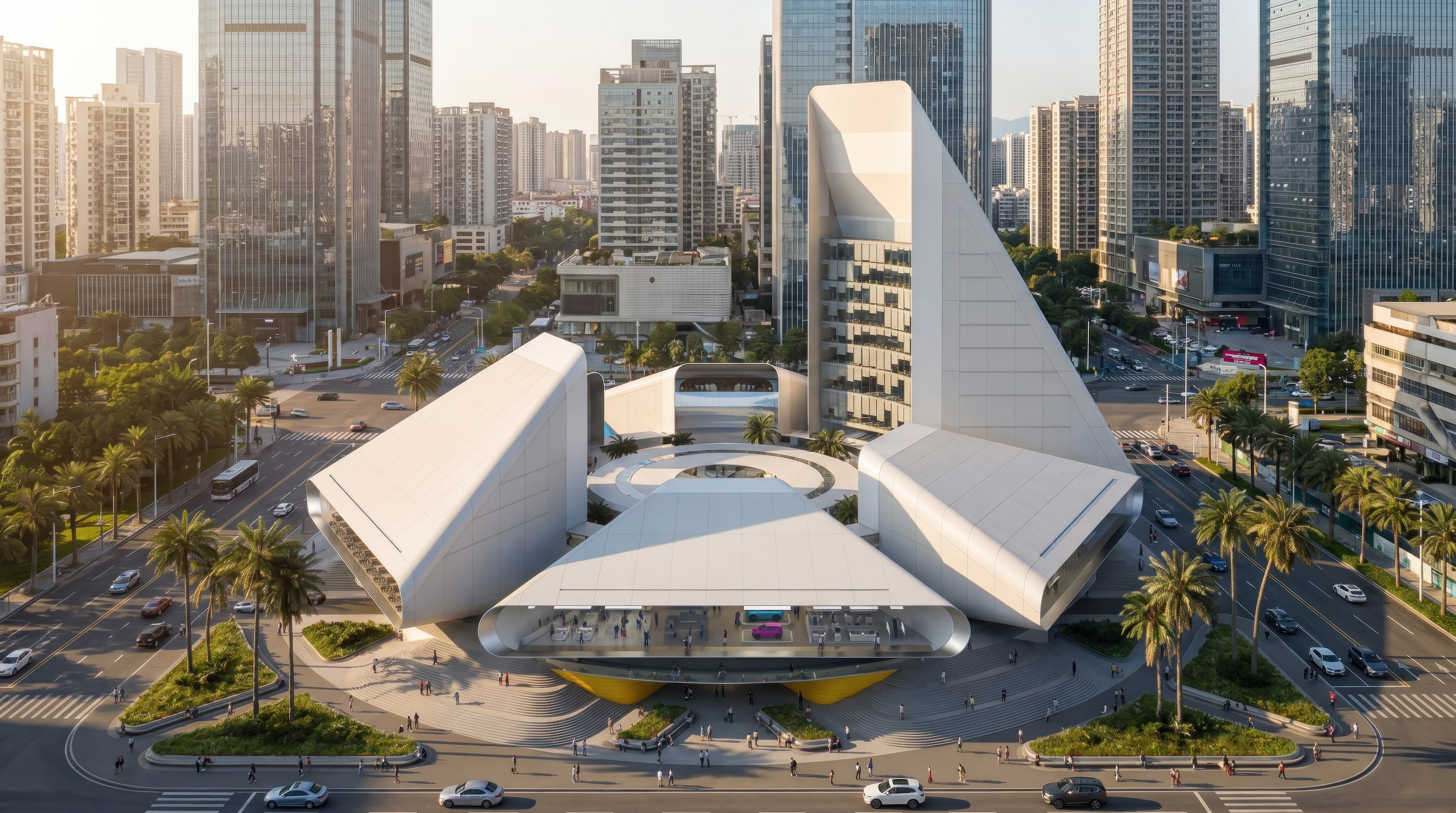
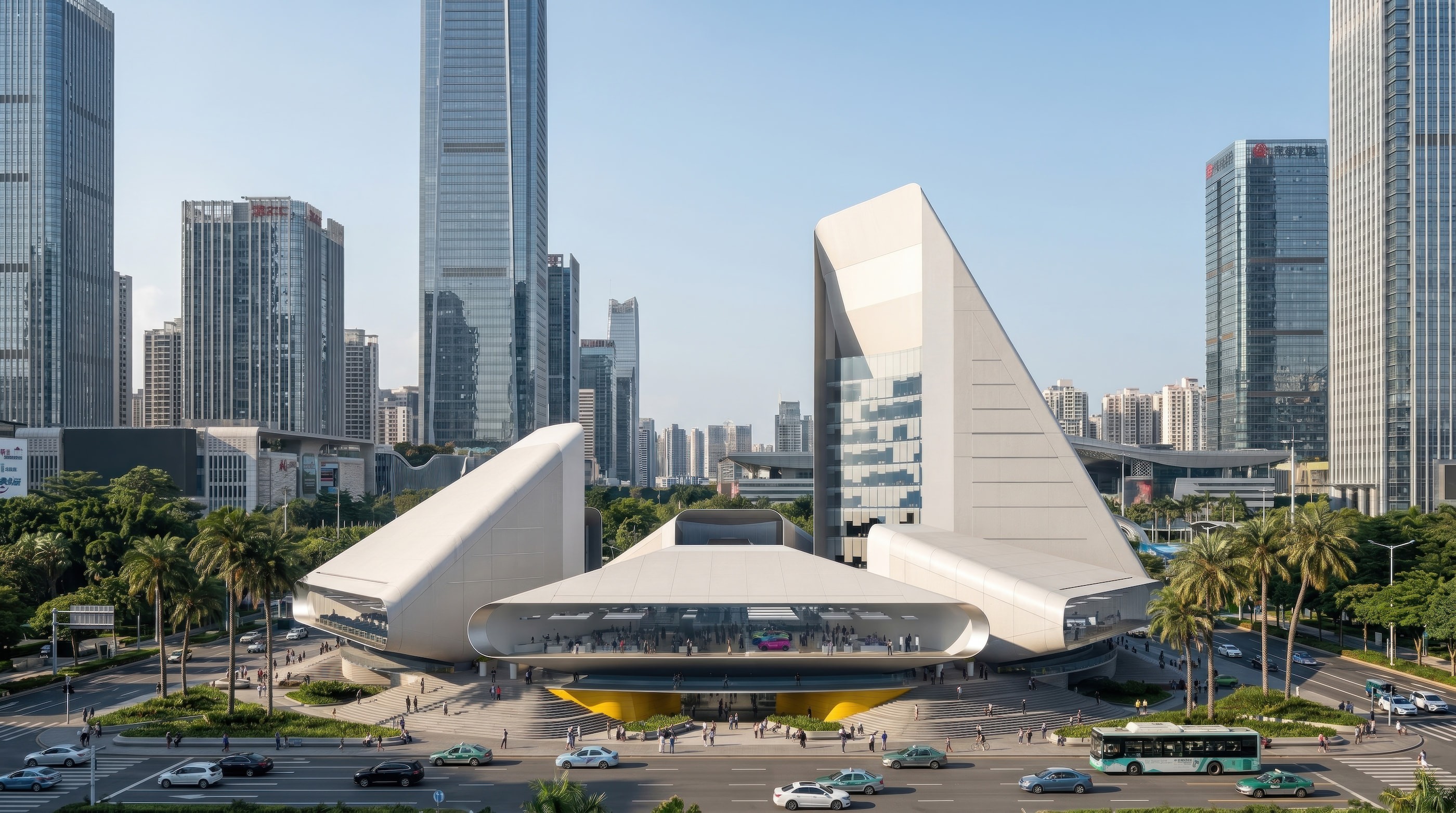
The practice works across architecture, special structures, product design and concept development. Each commission begins with research into place, purpose and meaning. The result is work whose form can be traced to the reference, system and brief.









/
The work
02
Where reference becomes system, and system becomes form.
The portfolio is organised as evidence of process.
Each project is presented through three conditions: Reference, System and Resolution. Together they show how a cultural, environmental or programmatic origin becomes architectural form.
Each project is presented through three conditions: Reference, System and Resolution. Together they show how a cultural, environmental or programmatic origin becomes architectural form.
The work
The work


/
Why SCA
03
Design that can be traced, tested and defended.
For projects where meaning matters, SCA provides a clear architectural position from concept to completion.
SCA is suited to briefs that carry cultural, civic, technical or public significance.
The work is developed to withstand scrutiny, consultation, delivery and long-term use.

Architecture gains value when its decisions can be understood.
The strongest projects are shaped by purpose, place and consequence rather than preference.

Clarity
Complex briefs require a clear architectural position before design can move forward.
Confidence
Clients, stakeholders and collaborators can understand how decisions have been reached and why they matter.
Longevity
Work grounded in place, purpose and logic remains relevant beyond changing tastes and trends.
Every decision should have a reason.
Every reason should strengthen the work.

SCA is suited to briefs that carry cultural, civic, technical or public significance.
The work is developed to withstand scrutiny, consultation, delivery and long-term use.
Architecture gains value when its decisions can be understood.
The strongest projects are shaped by purpose, place and consequence rather than preference.
Clarity
Complex briefs require a clear architectural position before design can move forward.
Confidence
Clients, stakeholders and collaborators can understand how decisions have been reached and why they matter.
Longevity
Work grounded in place, purpose and logic remains relevant beyond changing tastes and trends.
Every decision should have a reason.
Every reason should strengthen the work.
SCA is suited to briefs that carry cultural, civic, technical or public significance.
The work is developed to withstand scrutiny, consultation, delivery and long-term use.
Architecture gains value when its decisions can be understood.
The strongest projects are shaped by purpose, place and consequence rather than preference.
Clarity
Complex briefs require a clear architectural position before design can move forward.
Confidence
Clients, stakeholders and collaborators can understand how decisions have been reached and why they matter.
Longevity
Work grounded in place, purpose and logic remains relevant beyond changing tastes and trends.
Every decision should have a reason.
Every reason should strengthen the work.
/
Process
04
From meaning to form.
The process gives every decision an origin, every system a logic, and every outcome a standard.
Talk to us
Talk to us
Reference
1
Every project begins by understanding the conditions that give it meaning. These may be cultural, historical, environmental, social, spatial or programmatic. The outcome is a clear reference that establishes direction for the work.
Reference
1
Every project begins by understanding the conditions that give it meaning. These may be cultural, historical, environmental, social, spatial or programmatic. The outcome is a clear reference that establishes direction for the work.
Reference
1
Every project begins by understanding the conditions that give it meaning. These may be cultural, historical, environmental, social, spatial or programmatic. The outcome is a clear reference that establishes direction for the work.
System
2
The reference is translated into architecture. Structure, movement, material, environmental performance, public experience and construction are developed as parts of a single system.
System
2
The reference is translated into architecture. Structure, movement, material, environmental performance, public experience and construction are developed as parts of a single system.
System
2
The reference is translated into architecture. Structure, movement, material, environmental performance, public experience and construction are developed as parts of a single system.
Resolution
3
Form emerges through the process. Structure, material, space and detail are resolved so that each part contributes to the whole and can account for its presence.
Resolution
3
Form emerges through the process. Structure, material, space and detail are resolved so that each part contributes to the whole and can account for its presence.
Resolution
3
Form emerges through the process. Structure, material, space and detail are resolved so that each part contributes to the whole and can account for its presence.
/
Services
05
Four services. One method.
SCA works across architecture, special structures, product design and concept development. The scale changes. The method remains consistent.

Architecture
1
Buildings and architectural environments for cultural, civic, commercial and experiential programmes. Work develops through the integration of place, programme, structure, environment and material.
Theatres
Museums
Residential
Transport
Cultural
Entertainment

Special Structures
2
Pavilions, theatres, visitor attractions, civic installations and technically demanding structures where engineering, performance and public experience are developed together.
Kinetic Structures
Sculpture
Bridges
Piers
Expo Pavilions
Viewing Towers

Product Design
3
Objects developed through reference, use, material and manufacturing logic. Form is shaped by purpose, production and context.
Furniture
Lighting
Street Furniture
Trophies
Packaging
Fashion Accessories

Concept Development
4
Early stage thinking for projects, competitions, developments and strategic initiatives. The work establishes the reference, system and architectural position that guide future decision making.
Competitions
Ideation Studies
Feasibility Studies
Strategic Concepts
Brief Development
Design Narratives
Architecture
Buildings and architectural environments for cultural, civic, commercial and experiential programmes. Work develops through the integration of place, programme, structure, environment and material.
Theatres
Museums
Residential
Transport
Cultural
Entertainment
Special Structures
Pavilions, theatres, visitor attractions, civic installations and technically demanding structures where engineering, performance and public experience are developed together.
Kinetic Structures
Sculpture
Bridges
Piers
Expo Pavilions
Viewing Towers
Product Design
Objects developed through reference, use, material and manufacturing logic. Form is shaped by purpose, production and context.
Furniture
Lighting
Street Furniture
Trophies
Packaging
Fashion Accessories
Concept Development
Early stage thinking for projects, competitions, developments and strategic initiatives. The work establishes the reference, system and architectural position that guide future decision making.
Competitions
Ideation Studies
Feasibility Studies
Strategic Concepts
Brief Development
Design Narratives
Architecture
Buildings and architectural environments for cultural, civic, commercial and experiential programmes. Work develops through the integration of place, programme, structure, environment and material.
Theatres
Museums
Residential
Transport
Cultural
Entertainment
Special Structures
Pavilions, theatres, visitor attractions, civic installations and technically demanding structures where engineering, performance and public experience are developed together.
Kinetic Structures
Sculpture
Bridges
Piers
Expo Pavilions
Viewing Towers
Product Design
Objects developed through reference, use, material and manufacturing logic. Form is shaped by purpose, production and context.
Furniture
Lighting
Street Furniture
Trophies
Packaging
Fashion Accessories
Concept Development
Early stage thinking for projects, competitions, developments and strategic initiatives. The work establishes the reference, system and architectural position that guide future decision making.
Competitions
Ideation Studies
Feasibility Studies
Strategic Concepts
Brief Development
Design Narratives
/
FAQs
06
Questions, Answered.
Practical answers on project fit, scope, fees, collaboration and how SCA works.

SCA works with institutions, developers, cultural organisations, public bodies and private clients whose projects require a clear architectural position and a strong relationship to place, purpose or public experience.
Yes. The practice works on complete projects, focused design packages, feasibility studies, strategic concepts and specialist design challenges where there is a clear question to answer.
Yes. SCA can lead commissions or contribute as part of a wider team alongside architects, engineers, consultants, fabricators and specialist collaborators.
Yes. SCA is based in London and works internationally through structured briefing, regular reviews and collaboration with local consultants, specialists and project teams.
Every commission is scoped individually. Fees reflect the scope of services, complexity, research requirements, review stages and deliverables agreed before work begins.
Yes. AI supports research, analysis and the exploration of architectural systems. It allows more possibilities to be investigated, but it does not establish the reference that gives a project direction or replace the judgement needed to resolve it. Design authorship and professional responsibility remain with SCA.
SCA works with institutions, developers, cultural organisations, public bodies and private clients whose projects require a clear architectural position and a strong relationship to place, purpose or public experience.
Yes. The practice works on complete projects, focused design packages, feasibility studies, strategic concepts and specialist design challenges where there is a clear question to answer.
Yes. SCA can lead commissions or contribute as part of a wider team alongside architects, engineers, consultants, fabricators and specialist collaborators.
Yes. SCA is based in London and works internationally through structured briefing, regular reviews and collaboration with local consultants, specialists and project teams.
Every commission is scoped individually. Fees reflect the scope of services, complexity, research requirements, review stages and deliverables agreed before work begins.
Yes. AI supports research, analysis and the exploration of architectural systems. It allows more possibilities to be investigated, but it does not establish the reference that gives a project direction or replace the judgement needed to resolve it. Design authorship and professional responsibility remain with SCA.
SCA works with institutions, developers, cultural organisations, public bodies and private clients whose projects require a clear architectural position and a strong relationship to place, purpose or public experience.
Yes. The practice works on complete projects, focused design packages, feasibility studies, strategic concepts and specialist design challenges where there is a clear question to answer.
Yes. SCA can lead commissions or contribute as part of a wider team alongside architects, engineers, consultants, fabricators and specialist collaborators.
Yes. SCA is based in London and works internationally through structured briefing, regular reviews and collaboration with local consultants, specialists and project teams.
Every commission is scoped individually. Fees reflect the scope of services, complexity, research requirements, review stages and deliverables agreed before work begins.
Yes. AI supports research, analysis and the exploration of architectural systems. It allows more possibilities to be investigated, but it does not establish the reference that gives a project direction or replace the judgement needed to resolve it. Design authorship and professional responsibility remain with SCA.
/
Blog
07
Notes on reference, research, systems and the decisions that precede resolved form.
The notes
The notes


